Exploring Amanita Muscaria Its Story and Modern Uses
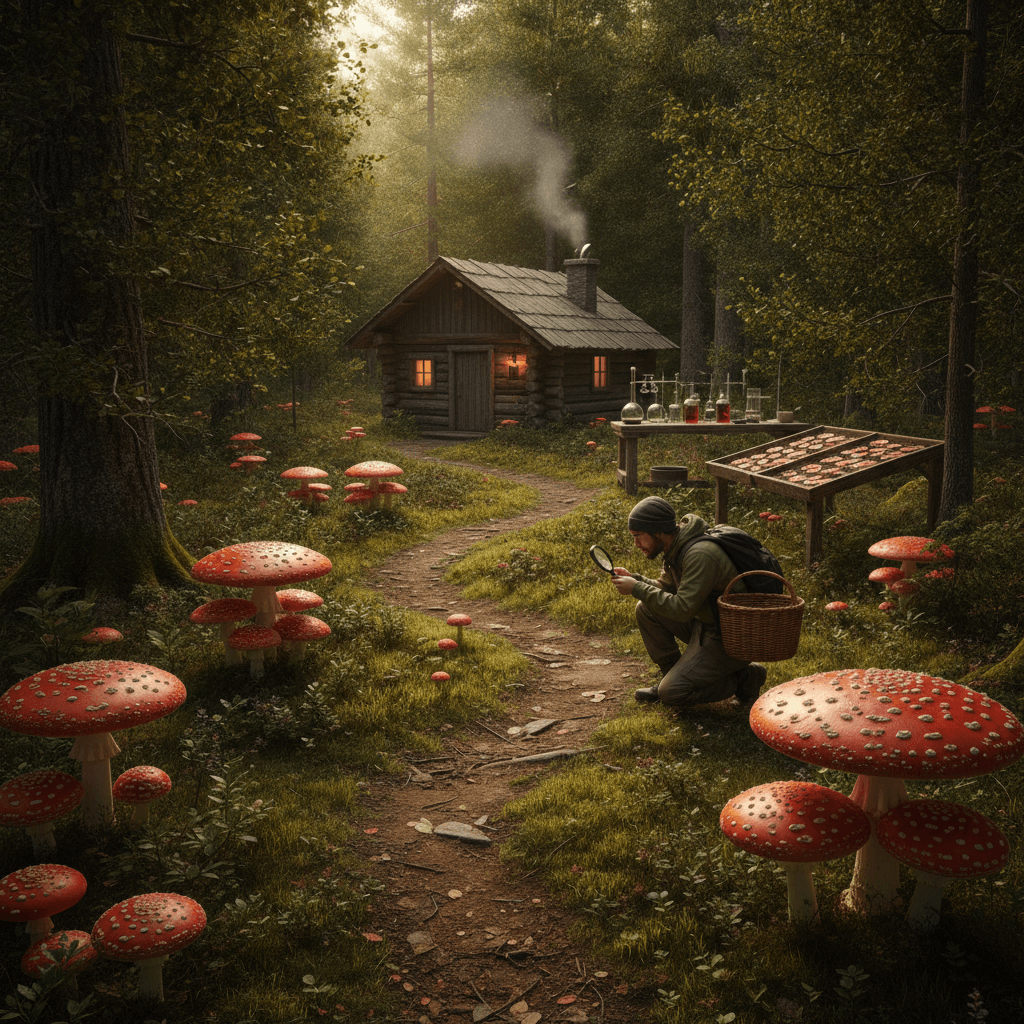
Amanita Muscaria, often called the fly agaric mushroom, is truly a sight to behold. Its bright red cap with white flecks makes it instantly recognizable, looking like something from a fairy tale. I have always been fascinated by its distinctive appearance and the many stories woven around it.
For centuries this mushroom has captured human imagination, appearing in myths and legends across different cultures. People have often misunderstood its properties but its place in history is undeniable. Today we are learning more about its complex nature and its potential uses.
My goal is to explore the rich history of Amanita Muscaria, understand its chemical makeup, and look into how it is being used in modern times. We will separate fact from fiction and discover why this ancient mushroom continues to be so captivating.
The Ancient Roots of Amanita Muscaria
The story of Amanita Muscaria begins deep in human history, long before written records existed. I have found that its presence spans continents, touching numerous ancient civilizations. It was not just a plant but a symbol, a tool and sometimes a mystery.
Archaeological evidence and old texts suggest that people in Siberia and other parts of Eurasia used this mushroom for its unique effects. They might have used it in ceremonies or for practical purposes, showing a deep connection to nature. We see hints of its importance in many traditions.
Across various indigenous groups, Amanita Muscaria often held a sacred status. Shamans reportedly used it to enter altered states of consciousness, seeking guidance or healing. This practice was deeply integrated into their spiritual beliefs and rituals. The mushroom was a bridge to other realms.
Early Human Interactions
In prehistoric times, humans likely encountered Amanita Muscaria out of necessity or curiosity. They learned to identify it by its striking colors. Early humans probably experimented with different plants and fungi to find food, medicine, or substances for spiritual experiences. This mushroom would have stood out immediately.
I believe early interactions were rooted in survival and cultural practices. It was not simply ingested but processed in specific ways to make it less toxic and more beneficial. These methods were passed down through generations, becoming part of their oral histories and secret knowledge. This shows a long tradition of practical wisdom.
Folkloric Significance
Beyond practical use, Amanita Muscaria seeped into the folklore and mythology of many cultures. You can see its influence in stories about magical journeys, talking animals, and hidden worlds. This mushroom often appears as a gateway or a source of extraordinary power.
I find it amazing how a single mushroom can inspire so much creative storytelling. In some traditions it is linked to Santa Claus and reindeer because of its bright red color and traditional use during winter festivals. This connection shows its widespread cultural impact. Its image has become iconic for many fantasy worlds and childhood tales, cementing its place in popular imagination.
Understanding the Mushroom’s Chemistry
When I think about Amanita Muscaria, I always remember that its beauty hides a complex chemistry. It is crucial to understand what makes this mushroom tick because it is not like other edible fungi. The compounds within it are responsible for its historical use and the effects it produces.
Unlike psilocybin mushrooms which contain psilocybin and psilocin, Amanita Muscaria contains different active compounds. These substances interact with our nervous system in unique ways. This is why its effects are quite distinct and not hallucinogenic in the typical sense.
Knowing the chemistry helps us appreciate why proper preparation is so important for this mushroom. It also explains why consuming it raw or incorrectly can lead to unpleasant experiences. My studies show that processing changes its chemical profile in meaningful ways.
Key Compounds and Their Effects
The primary active compounds in Amanita Muscaria are ibotenic acid and muscimol. Ibotenic acid is a neurotoxin but it is also a precursor to muscimol. Muscimol is the main psychoactive component and it acts as a potent GABA-A receptor agonist. This means it affects brain activity in a specific way.
When ibotenic acid is ingested it causes a range of effects like nausea, vomiting and even seizures in high doses. However, muscimol produces more calming and dissociative effects. These can include muscle twitching, altered perception of sound and vision, euphoria, and drowsiness. I have learned that the balance between these two compounds is key.
Decarboxylation and Preparation
One of the most important aspects of working with Amanita Muscaria is proper preparation. The process of decarboxylation converts ibotenic acid into muscimol. This significantly reduces the toxicity and enhances the desired effects. I stress this because it is critical for safety and efficacy.
The most common method involves drying the mushrooms and then heating them. This can be done by boiling them in water or baking them at a low temperature. This transformation is what ancient cultures likely discovered through trial and error over many years. When preparing the mushroom, it is important to always be careful because incorrect handling can lead to harmful outcomes. For a comprehensive overview, I suggest checking out this amanita muscaria guide for more information.
Modern Scientific Research and Exploration
In recent years, the scientific community has shown renewed interest in Amanita Muscaria. Researchers are working to understand its compounds better and explore potential applications. I find this shift fascinating because it moves beyond folklore to empirical study.
Studies are looking into the specific mechanisms of action of muscimol and its interactions with brain receptors. This could open doors to new understandings in neuroscience and medicine. We are only just beginning to uncover its full potential. The exact way it works is still being mapped out but we know it affects GABA pathways.
The goal is to harness the beneficial aspects while minimizing any risks. This requires careful, controlled studies and a deep respect for the mushroom’s potent properties. I always advocate for a scientific approach when dealing with such powerful natural substances. There is still much to learn about this ancient fungi and its secrets.
Potential Therapeutic Uses
Emerging research suggests that muscimol, the primary active compound, might have therapeutic potential. I have seen discussions about its use in managing anxiety, insomnia and certain neurological conditions. Its GABAergic properties are of particular interest to scientists.
For instance, muscimol’s sedative properties could be useful as a natural sleep aid. Some people report that small doses help them relax and achieve deeper sleep. This is an area that warrants more formal clinical trials to confirm safety and effectiveness. I think we need more data before making strong claims.
Ongoing Studies and Safety
The journey of understanding Amanita Muscaria scientifically is still in its early stages. Many questions about optimal dosages, long term effects, and potential drug interactions remain. I always emphasize the need for caution and proper guidance. It is not something to experiment with lightly.
I know that ongoing studies aim to establish clear safety protocols and efficacy data. Researchers are working to identify specific conditions where it might be beneficial and to determine appropriate methods of use. This careful scientific investigation is important to ensure responsible exploration of this unique mushroom. Safety must always be the first priority for any natural compound.
Responsible Foraging and Identification
Foraging for mushrooms can be a rewarding experience but it carries significant risks, especially with species like Amanita Muscaria. I always tell people that accurate identification is absolutely paramount. Mistakes can have serious consequences so knowledge is power in this field.
It is not enough to recognize its famous red cap. Many factors play into proper identification and understanding its habitat is just one piece of the puzzle. I never recommend consuming wild mushrooms without expert verification. Safety should always come first when collecting any fungi.
Even if you know what you are looking for, environmental conditions can alter appearances. This means that a mushroom might look slightly different than expected. I learned to always cross reference multiple identification guides and if in doubt, throw it out. It is better to be safe than sorry with wild mushrooms.
Key Features to Look For
When identifying Amanita Muscaria, look for its distinctive bright red or orange cap, often adorned with white or yellowish warts. The cap usually has a flat top and a slightly sticky feel. These are the classic features I always check first.
The gills underneath are white and free from the stem. The stem itself is white and typically has a prominent ring or annulus, which is a remnant of the partial veil. At the base of the stem, you will find a bulbous volva, often with concentric rings or scales. I look for these details carefully.
These features together form a clear profile. However, variations exist, so a comprehensive understanding of all parts of the mushroom is essential. I encourage serious foragers to study detailed mycological guides before heading out. This knowledge helps you stay safe.
Avoiding Look-Alikes
One of the biggest dangers in mushroom foraging is misidentification. Amanita Muscaria has several look-alikes, some of which are edible but others are highly toxic. I have seen cases where people confuse it with other Amanita species, which is a major concern.
For example, some species of Amanita, like the highly poisonous Death Cap (Amanita phalloides) or Destroying Angel (Amanita virosa), do not resemble A. Muscaria directly. But less experienced foragers might still mix them up. Additionally, certain edible species like Caesar’s mushroom can be mistaken for young fly agaric mushrooms without proper care. This is why being absolutely certain is so important.
Always examine the entire mushroom, including the base, and use multiple identification resources. I believe that if there is any uncertainty at all, it is best to leave the mushroom where it is. Your health is more important than a single foraging find. Double checking saves lives.
Contemporary Applications and Products
Today, Amanita Muscaria is experiencing a quiet revival in certain wellness circles. People are exploring its benefits, particularly in processed forms, for various personal uses. I have noticed a growing interest in its calming and relaxation properties.
The mushroom is not being used in the same ways as it was by ancient shamans. Modern applications focus more on specific, controlled doses for targeted effects. This shift reflects a move towards understanding and integrating natural substances carefully into personal routines. I see a desire for natural solutions.
A range of products are appearing on the market, from dried caps to extracts and tinctures. These products aim to offer a more convenient and standardized way to consume Amanita Muscaria. However, I always advise caution and thorough research before trying any new product. Quality and safety can vary greatly.
Microdosing Trends
One popular modern application is microdosing with Amanita Muscaria. I have heard many anecdotes from individuals who claim that very small doses help with mood stability, sleep quality and stress reduction. They report feeling more balanced and calm without experiencing strong psychoactive effects.
Microdosing usually involves taking a sub-perceptual dose, meaning an amount so small that you do not feel noticeable changes in consciousness. The idea is to achieve subtle background benefits. However, scientific evidence supporting microdosing of Amanita Muscaria is still limited and mostly anecdotal. I think more research is needed to validate these claims and establish safe microdosing protocols. It is still a relatively new practice in modern use.
Available Forms and Considerations
Amanita Muscaria products come in several forms to suit different preferences. You can find dried mushroom caps, which often require further preparation like decarboxylation. Some vendors offer extracts or tinctures that are already processed to convert ibotenic acid to muscimol. These are generally considered safer and easier to use.
I also see capsules and gummies becoming more common, offering pre-measured doses. When considering any product, I strongly recommend checking the source, purity and any lab testing results. The concentration of active compounds can differ widely so it is important to know what you are consuming. Always start with a very low dose and observe your body’s reaction carefully. Your personal safety is the most important factor.
Conclusion A Timeless Botanical Reimagined
Exploring Amanita Muscaria Its Story and Modern Uses has been a fascinating journey for me. From its deep historical roots in ancient rituals and folklore to its complex chemistry and evolving modern applications, this mushroom remains truly enigmatic. We have seen how early civilizations understood its power and how contemporary science is now beginning to unravel its secrets.
I believe that understanding the distinction between its toxic compounds and its beneficial ones, especially through proper preparation, is key to appreciating this unique fungus. The move towards careful, informed usage in modern times, particularly with microdosing and specialized products, represents a new chapter for Amanita Muscaria. It is a testament to humanity’s ongoing quest to explore and understand the natural world around us.
As we continue to learn more, I urge everyone to approach this mushroom with respect, knowledge and caution. Always prioritize safety and seek reliable information. This storied botanical offers much to contemplate and explore but it demands our careful attention. Let us continue to learn from both history and science to unlock its full potential responsibly.